
Innovative Treatment Now Available
Pain Relief Without a Needle
For decades, the standard treatment for chronic facet joint back pain has been radiofrequency ablation (RFA) — a proven procedure in which a physician uses X-ray guidance to insert one or more needles through the skin and down to the nerve, then delivers electrical heat to disable it. RFA works well, with a strong track record in clinical practice. But it requires needles, often sedation, carries a small bleeding risk, and is not suitable for everyone — patients on blood thinners, those with pacemakers, or those who are simply needle-averse have historically been excluded.
The Neurolyser XR was engineered specifically to reach that same nerve and achieve the same outcome — by a completely different route. Instead of a needle, it uses multiple focused ultrasound beams that pass harmlessly through your skin and tissue, then converge with precision at the exact depth of the medial branch nerve, generating the same controlled heat. The target is identical. The result is the same. The needle is gone.
How it works
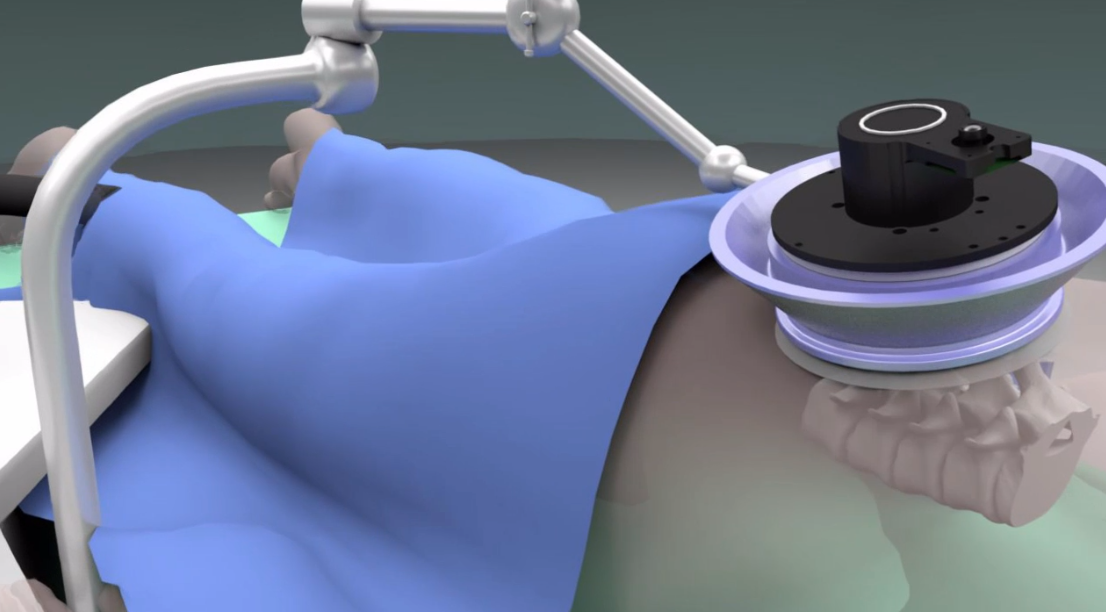
Device placed on skin
The transducer rests on your lower back with a gel pad — no needles, no injections, no skin penetration of any kind.
Beams converge on nerve
Multiple sound beams pass through tissue harmlessly, then focus precisely on the medial branch nerve under X-ray guidance.
Controlled heat stops pain
The focused energy creates a precise area of heat at the nerve, interrupting its pain signals to the brain.
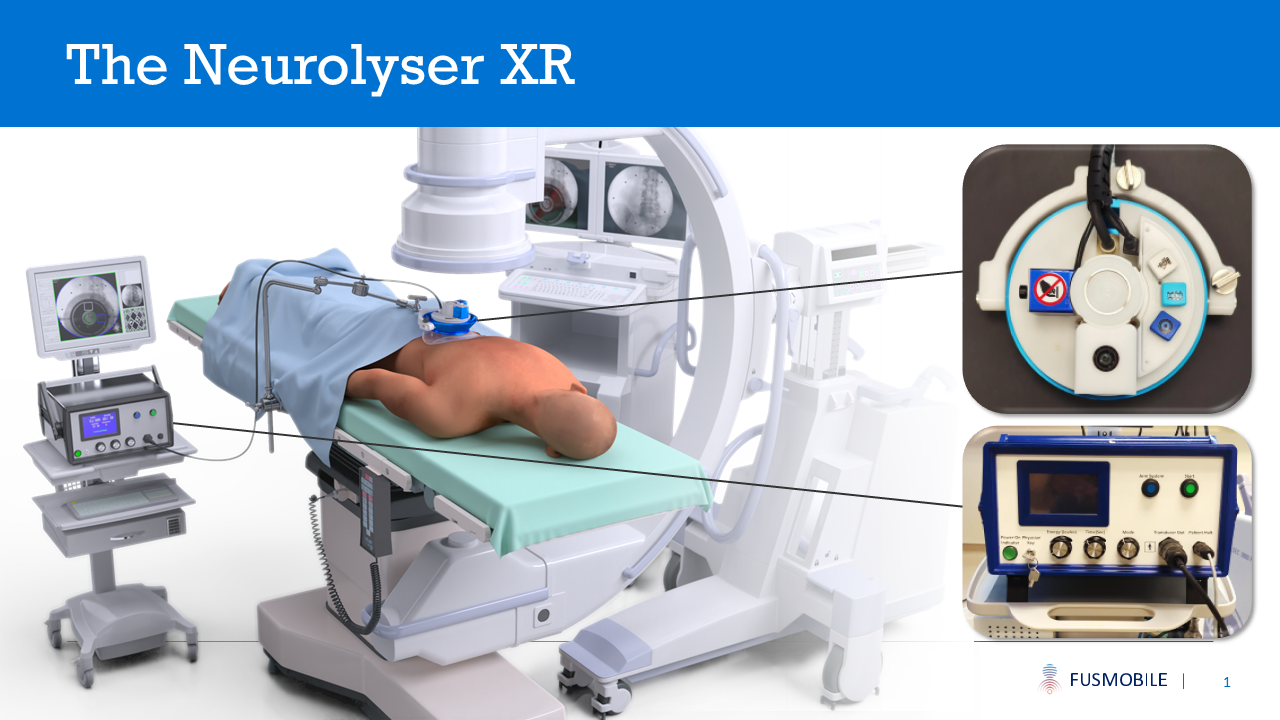
The Neurolyser XR in use — the transducer rests gently on the lower back. No needles. No sedation. No skin penetration of any kind.
Background
Understanding facet joint pain and the standard treatment
The Neurolyser XR targets the same nerve — and achieves the same result — as a procedure that has been performed for decades. Here is what you need to know about both.
Lumbar Facet Joint Pain
Facet joints (also called zygapophysial joints) are paired structures at each level of the spine whose primary function is guiding spinal movement. Each joint is served by two small nerves called the medial branches of the dorsal rami — and it is these nerves that transmit pain signals to the spinal cord when the joint becomes arthritic or inflamed.
Lumbar facet joint pain is one of the most common causes of chronic low back pain. It typically presents as a deep ache — often worse with standing, backward bending, or twisting — that may radiate into the buttocks or upper thighs. Imaging alone (X-ray, CT, MRI) cannot confirm the diagnosis.
Learn more: Facet Joint Pain →
Radiofrequency Ablation — The Standard of Care
Radiofrequency ablation (RFA), also called radiofrequency neurotomy, has been the established standard treatment for confirmed facet joint pain for decades. A physician advances a radiofrequency needle through the skin and down to the nerve, then heats the tip to 80°C for 90 seconds, creating a small burn that disables the nerve.
Proven effectiveness
Lumbar RFA carries approximately a 70% chance of complete or near-complete pain relief, typically lasting 10–12 months. The nerve can regrow over time, and the procedure can be repeated.
Learn more: Radiofrequency Neurotomy → · Lumbar RFA →
Treatment Comparison
Two approaches to the same nerve
Both radiofrequency ablation and focused ultrasound target the medial branch nerve. The difference is how they reach it.
New Technology — FUSMobile
Focused Ultrasound (Neurolyser XR)
- ✓Device rests on skin — no needles, no incisions
- ✓Focused sound waves converge on the nerve from outside
- ✓No sedation required — you remain awake throughout
- ✓No sterile prep — no infection risk
- ✓Safe for patients on blood thinners
- ✓Safe with pacemakers and implanted spinal hardware
Traditional Approach
Radiofrequency Ablation (RFA)
- ✕Needles inserted through the skin into the back
- ✕Electrical probe tip heats the nerve from inside
- ✕Sedation required for many patients
- ✕Sterile draping, infection risk
- ✕Caution needed with blood thinners (bleeding risk)
- ✕May be contraindicated with pacemakers or spinal hardware
Step by Step
What to expect during the procedure
The procedure takes approximately 40 minutes and is performed in an outpatient interventional suite — no hospital admission required.
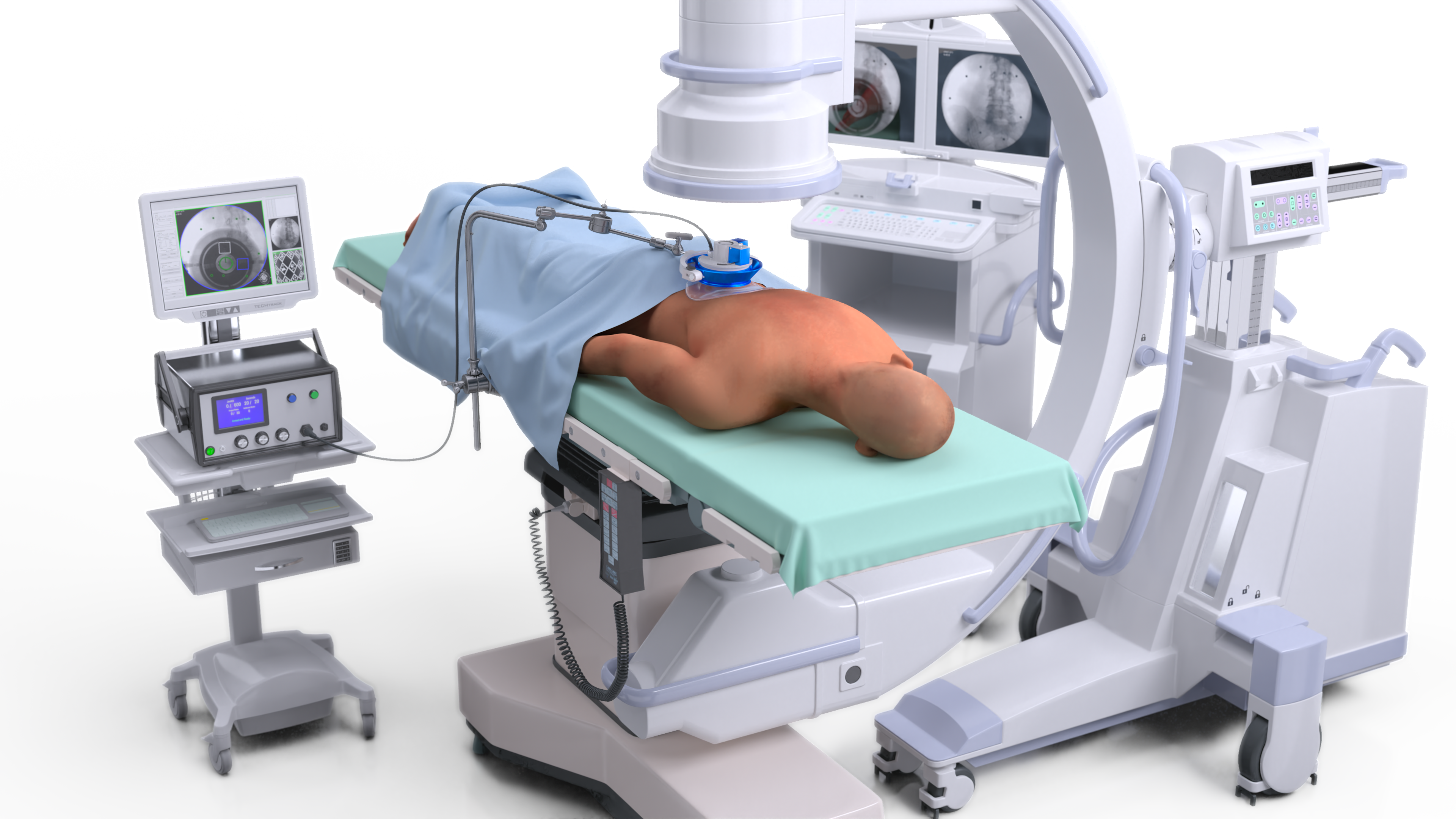
The Neurolyser XR System
The Neurolyser XR consists of a 1-MHz annular-array ultrasound transducer, a coupling gel pad, and a control unit. The transducer is placed on the skin — no part of the device enters the body. A built-in fluoroscopy integration system uses your X-ray images to calculate and aim the focal point precisely at the target nerve.
Positioning & Preparation
You lie face-down on the procedure table. A cushion under your abdomen flattens the lumbar curve. A gel pad is placed on your lower back — no needles, no anesthetic injections, no skin penetration of any kind.
X-Ray Targeting
Using live X-ray fluoroscopy, your physician locates the medial branch nerves precisely. The Neurolyser XR system analyses these images in real time and calculates where to aim the ultrasound energy.
Focused Ultrasound Delivery
Multiple ultrasound beams are directed through your skin. Each beam passes through tissue harmlessly on its own. Where they converge at the nerve, the focused energy creates a small controlled area of heat that interrupts the pain signal.
Multiple Nerve Sites Treated
Up to 6 nerve locations can be treated in one session. Each sonication lasts about one to two minutes. You remain fully awake and hold a Patient Halt Button that stops energy delivery immediately if needed.
Same-Day Discharge
After a brief observation, you go home the same day. Any procedural discomfort typically resolves within 30 minutes. Light daily activities can usually resume the next day.
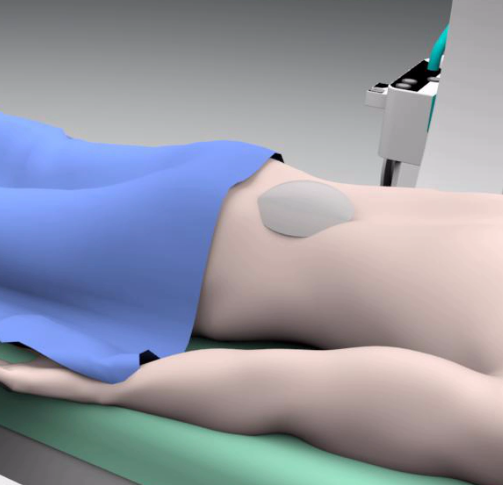
Preparation
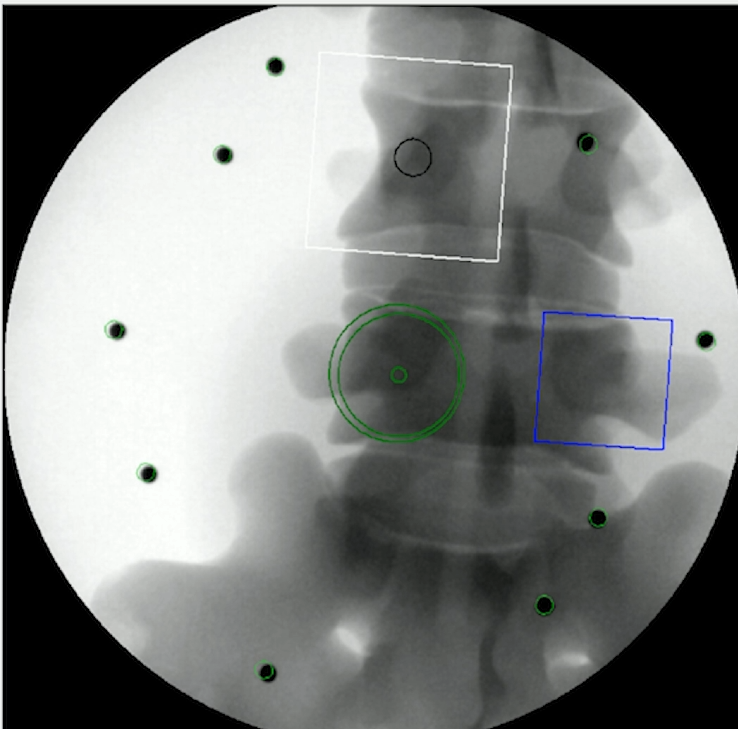
X-Ray Targeting
Treatment
Patient Control
You are awake throughout and in communication with the team at all times. You hold a Patient Halt Button that immediately stops the procedure if you experience any unexpected sensation.
— FUSMobile Informed Consent Guide
Before Your Procedure
- Avoid oily creams on your back for 24 hours prior
- Take your regular pain medication 1 hour before
- Arrange a driver — you cannot drive that day
- Consider shaving the lower back the day before
Clinical Evidence
What the research shows
In a prospective, dual-centre clinical trial published in Regional Anesthesia and Pain Medicine (2024), 30 patients with confirmed lumbar facet joint pain were treated with the Neurolyser XR and followed for six months.
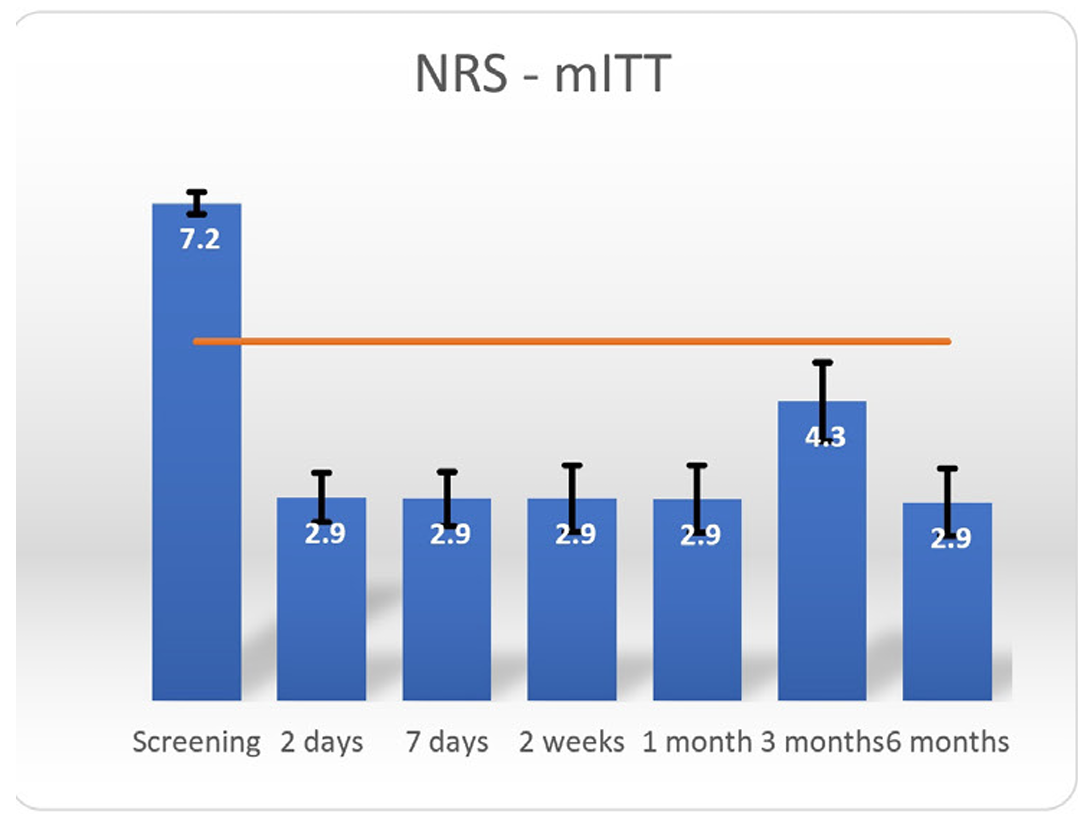
Average Pain Intensity — Numeric Rating Scale (0–10)
¹ Gofeld M et al. Reg Anesth Pain Med 2024. NCT04129034.
Earlier pain relief than RFA: Clinical benefit was observed as early as 2 days after the procedure. Patients who had previously responded well to RFA achieved a 90% success rate with the Neurolyser XR.
Why It Matters
Advantages of focused ultrasound
Because nothing enters the body, focused ultrasound opens this treatment to patients who may not have been candidates for needle-based procedures.
No infection risk
Nothing pierces the skin — no sterile preparation or draping required, and no risk of introducing infection.
Safe on blood thinners
Patients on warfarin, Eliquis, or aspirin can typically proceed without stopping their medication — bleeding risk.
Compatible with pacemakers
Focused ultrasound generates no electrical current and is safe for patients with pacemakers, defibrillators, or previous spinal hardware.
Minimal post-procedure pain
Procedural discomfort was mild to moderate during treatment and resolved to none or minimal within 30 minutes for all study participants.
Low radiation exposure
Average fluoroscopy time was just 41 seconds per procedure — among the lowest of any X-ray–guided interventional procedure.
Patient Guide
Before, during, and after
Patient Selection
Are you a candidate?
You may be a good candidate for the Neurolyser XR if most of the following apply to you:
FAQ